Land Contamination
Early contamination advice to support planning, development and due diligence.
- HAIL risk assessments and site screening
- Coordination of contamination investigations and reporting
- Integrated planning, engineering and consenting support
- Trusted specialist advice when contamination is identified
Managing contamination risk with confidence
Land contamination can affect subdivision, redevelopment, earthworks, changes in land use and property transactions. Sites with a history of potentially contaminating activities may require investigation before development or consenting can proceed.
Cato Bolam provides HAIL risk assessments and coordinates contaminated land investigations through trusted specialist partners. By integrating contamination advice with planning, engineering and surveying, we help identify issues early, streamline approvals and keep projects progressing.
When land contamination may need to be considered
Contamination investigations are commonly required where land has been used for activities listed on the Hazardous Activities and Industries List (HAIL) or where earthworks, subdivision or redevelopment trigger regulatory requirements.
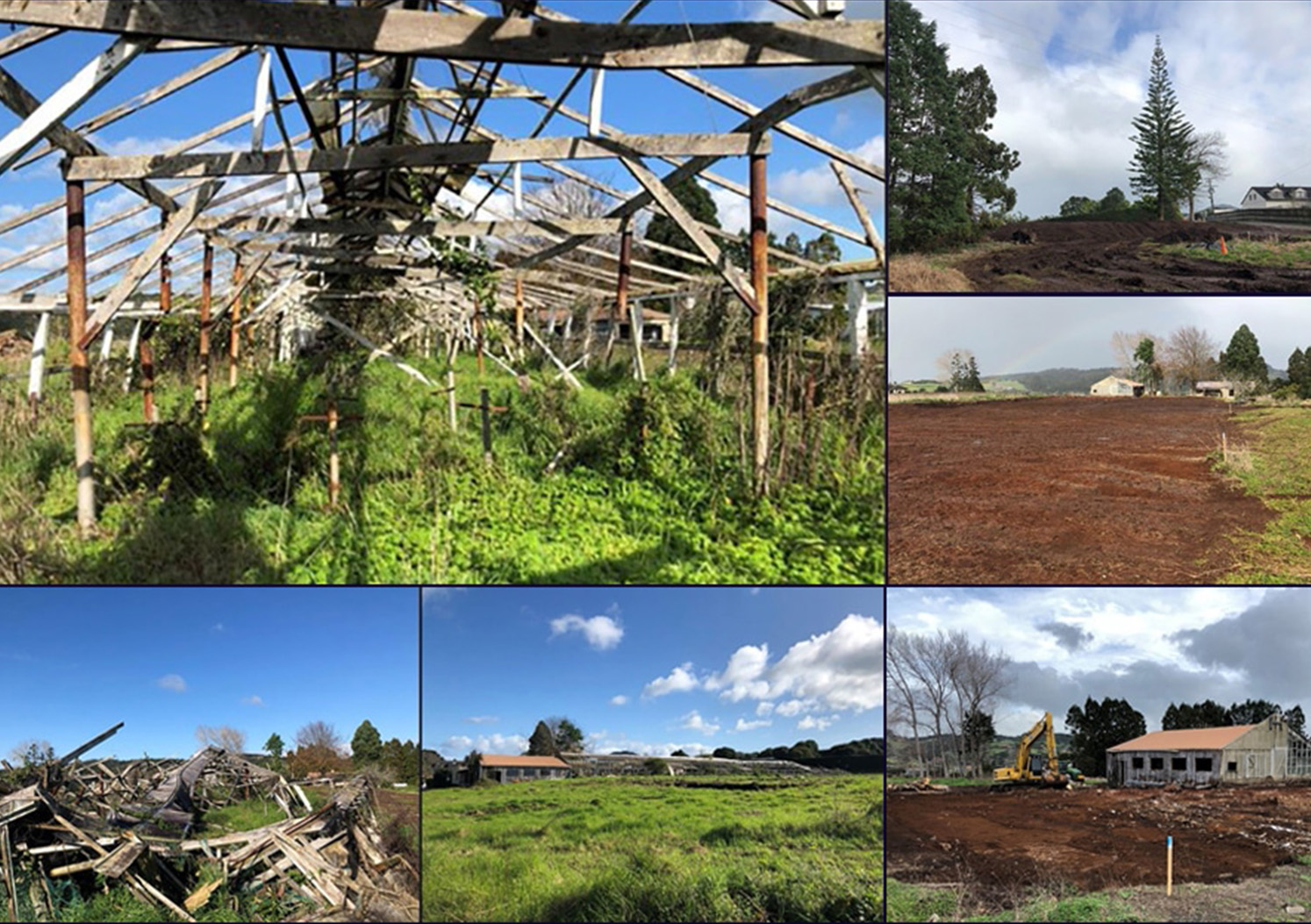
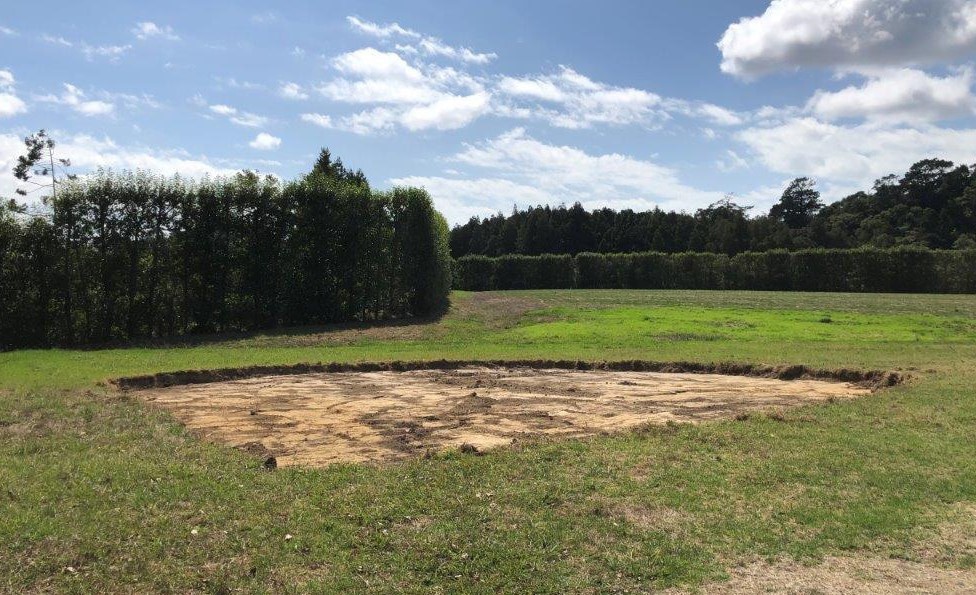
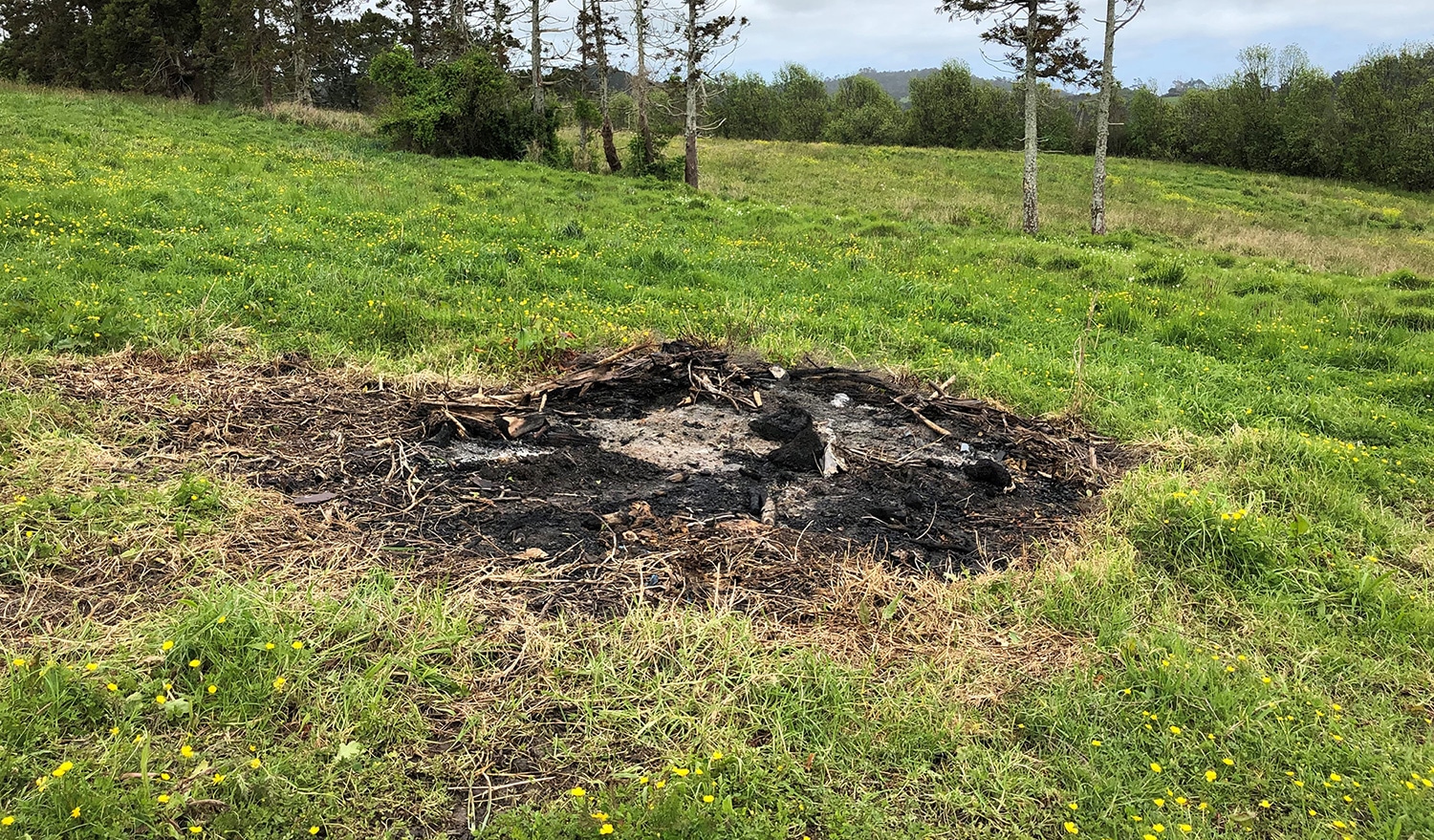
This may include former horticultural land, service stations, timber treatment sites, industrial properties and other sites with a history of potentially contaminating activities.
Early assessment helps determine whether further investigation is required before development progresses.
Coordinating the right expertise
Depending on the project, we coordinate trusted contaminated land specialists to provide:
- Preliminary and detailed site investigations (PSI and DSI)
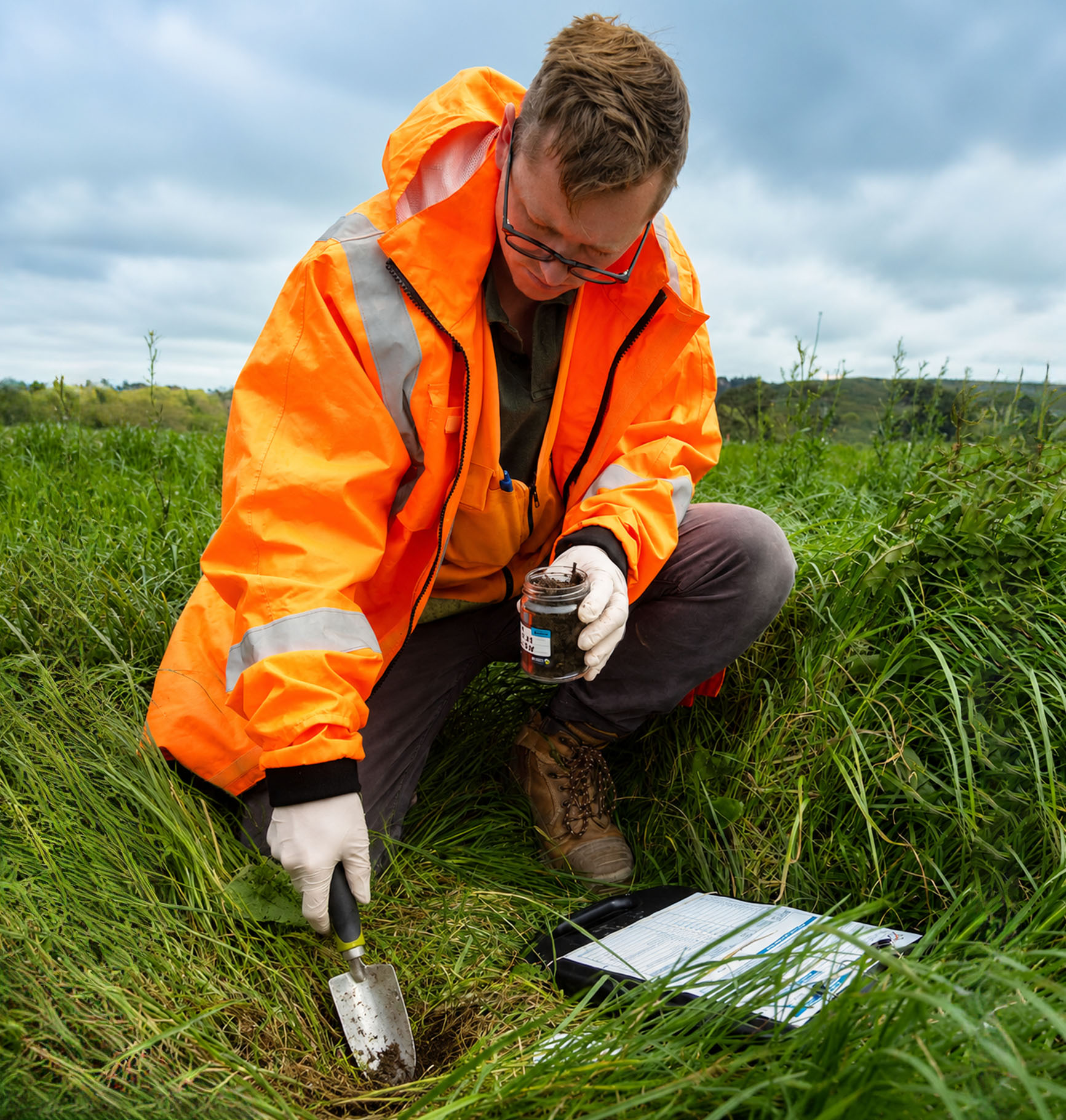
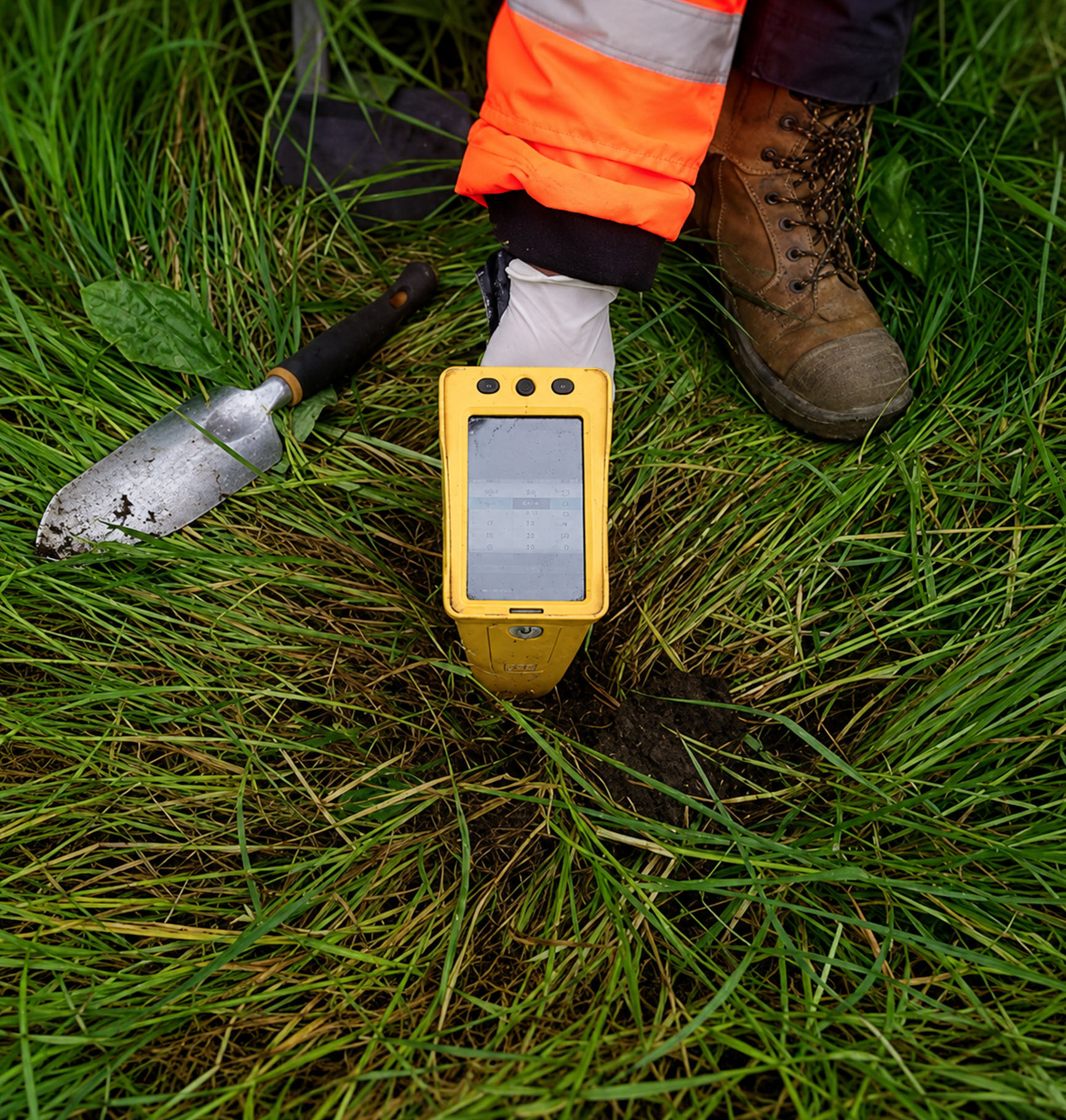
- Soil and groundwater sampling
- Remedial Action Plans (RAP) and Contaminated Soil Management Plans (CSMP)
- Site Validation Reports (SVR) and works completion reporting
- Ongoing monitoring and remediation advice
By managing these inputs alongside planning, engineering and surveying, we help reduce delays and ensure contamination requirements are considered as part of the wider development process.
Find out what opportunities exist for your property. Book a free discovery call today
Contact us todaySupporting due diligence and development
Contamination is often identified during the early stages of a project, making it an important part of due diligence.
Whether you're purchasing land, planning a subdivision or preparing for redevelopment, early advice can identify potential risks, clarify investigation requirements and help avoid unexpected costs or delays later in the project.
Start with a HAIL assessment
If your property has a history of potentially contaminating activities, early advice can help determine the most appropriate next steps.
Our team can complete an initial HAIL risk assessment and, where required, coordinate trusted contaminated land specialists to support your project through investigation, consenting and delivery.
Land Contamination FAQs
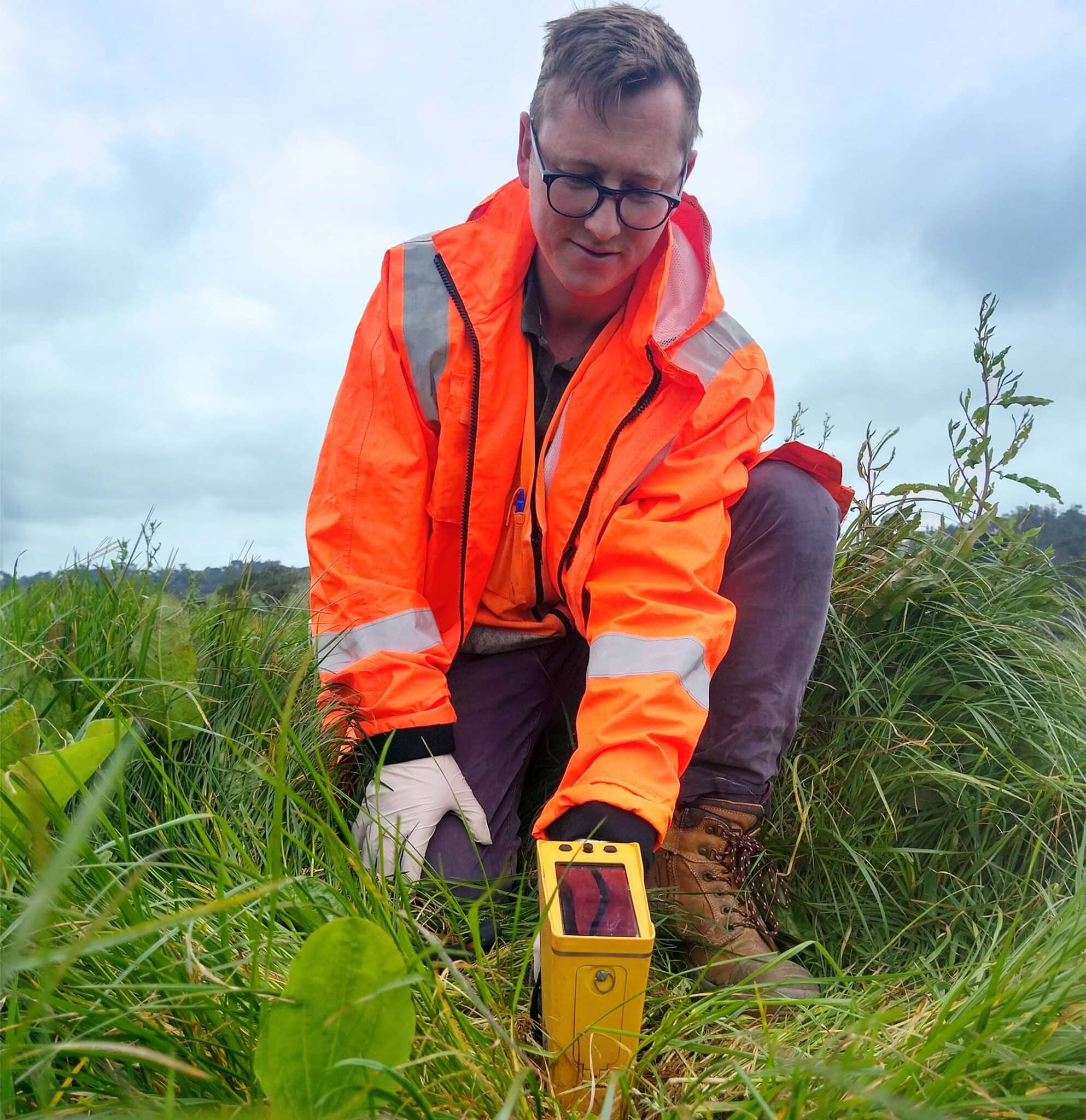
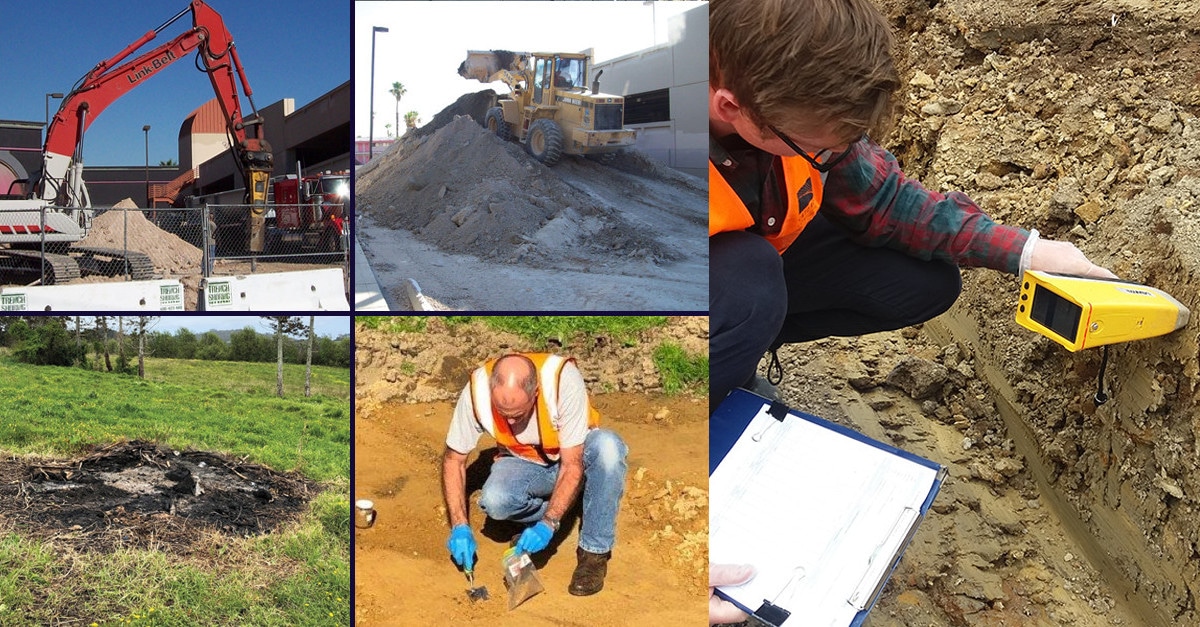
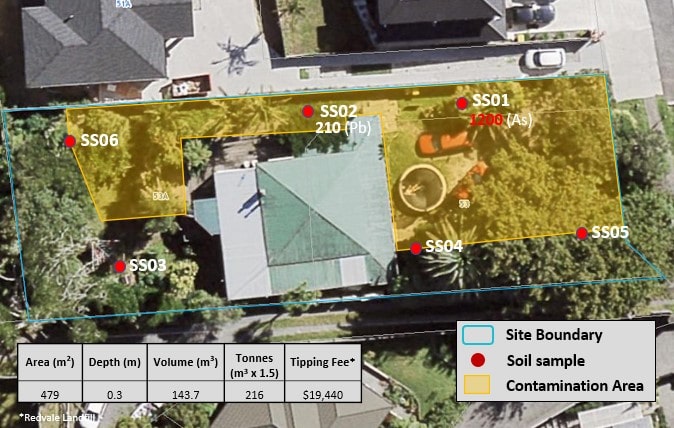
Your land may have been identified as “potentially” contaminated because of past activities such as an orchard or commercial fuel storage but the only way to know if it is actually contaminated is by performing a site investigation that includes soil sampling. In the initial stages of the investigation we use a number of sources of information to determine potentially contaminating activities, including historical aerial photography, questions to landowners, Council property records, etc. If such activities are identified, we will coordinate soil sampling in line with established practices to determine if contamination is present.
For commercial properties, it may be advisable to determine contamination conditions through a baseline investigation prior to constructing a petroleum station or other potentially contaminating facility. This can protect you from future litigation should contamination be discovered later. We can assist you with your sampling plan to determine the contamination status of site soil and groundwater before construction begins.
Land contamination services are provided by a limited number of consultancies. We work with qualified experts in land contamination and, as a multidiscilplinary consutancy, can coordinate this service alongside all other specialist inputs required for a land development project.
Contaminated land remediation is generally required when contamination is encountered during commercial development or as a condition on subdivision or land use consents and will need to be completed as part of the development process. In some instances, it may be more cost effective to manage contamination in place, through an Ongoing Monitoring and Management Plan, to minimize risks to human health and the environment rather than spend the money to remove the contamination. We know that every situation is unique and we will assist you to determine the most cost effective and logical solution for your contaminated land problem.
We coordinate the delivery of your Environmental Management Plan (EMP) tailored to your specific business that establishes procedures for handling potentially toxic chemicals and other materials that may pose a risk to human health or the environment. The EMP will formalise operational procedures to minimize the chance of spills or other releases and list the steps that need to be taken in the event of an accident or spill.
An Ongoing Monitoring and Management Plan (OMMP) will generally require that soil, groundwater or both be periodically monitored to assure that human health and environmental risks remain at an acceptable level. In addition to preparing the OMMP, we can coordinate the sampling and reporting schedule that will allow you to meet all of the conditions of the OMMP and satisfy your consent conditions.