Resource Consents
Get the planning pathway right before you invest.
- Resource consent advice, application preparation and planning advice
- Assessment of Environmental Effects (AEE) preparation
- Coordinating technical assessments
- Council liaison and consent management
Early planning advice can save significant time and cost
One of the most common mistakes is investing in design, investigations or technical reports before understanding the planning requirements.
Our planners help identify the approvals likely to be required, highlight planning risks and recommend the most appropriate pathway before significant project costs are committed.
In some cases, only minor changes are needed. In others, a different consent strategy may provide a more efficient outcome. Having these conversations early creates more options and reduces the likelihood of costly redesign later.


Resource consent expertise across a wide range of projects
We prepare and manage resource consent applications for:
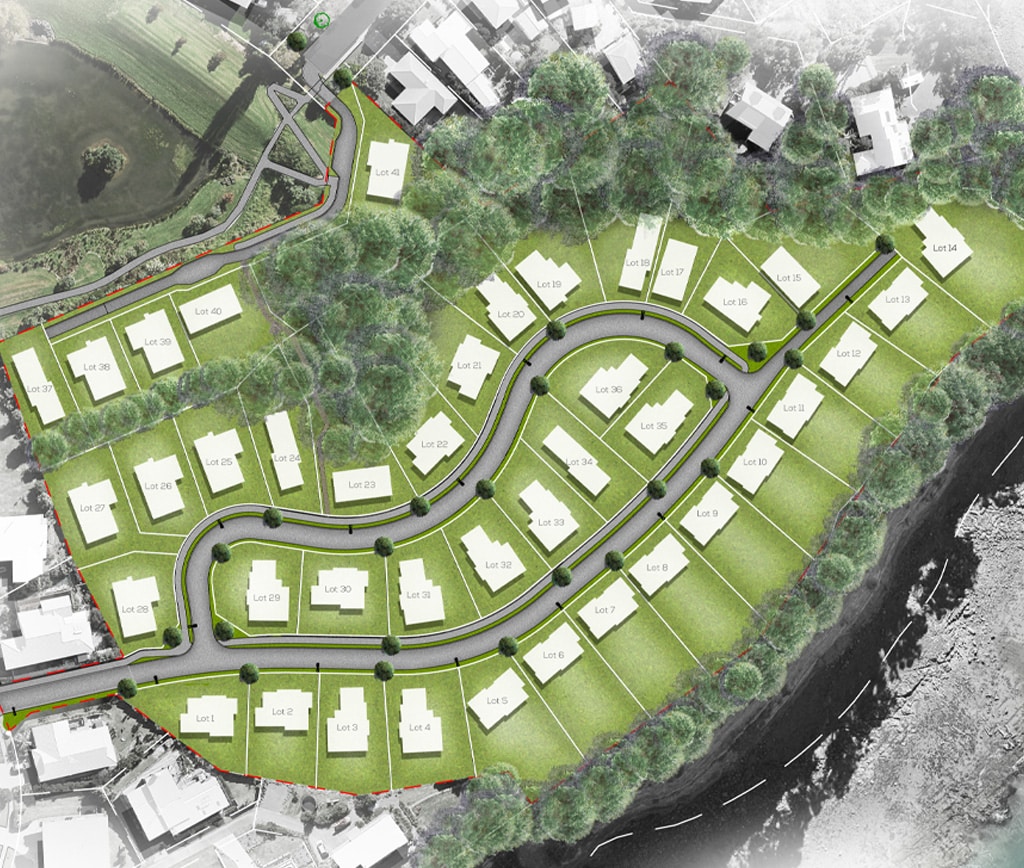
- Residential subdivisions
- New homes and housing developments
- Infill developments
- Earthworks and infrastructure works
- Commercial and industrial developments
- Changes of land use
- Tree and vegetation removal
- Land contamination and HAIL sites
- Flood hazard and floodplain development
- Native bush, wetlands and ecological constraints
Whether you're planning a single home or a complex land development project, our team can help establish the right consent pathway.
Building a strong application
A well-prepared resource consent application relies on more than a planning report.
Our planners determine which technical assessments are required, coordinate specialist investigations and prepare the Assessment of Environmental Effects (AEE) that brings the project together into a single, well-supported application.
Because planning, engineering, surveying, architecture and ecology are available within Cato Bolam, many of these inputs can be coordinated internally, supported by trusted external specialists where required. This integrated approach improves communication, reduces duplication and keeps projects moving efficiently.
Need a Resource Consent? Talk to our Planning Team.
Contact us todayManaging the consent process
Resource consent applications rarely end once they have been lodged.
Our team manages communication with council, coordinates responses to requests for further information and works with technical specialists to ensure additional information is provided efficiently.
Throughout the process, we keep clients informed, maintain momentum and focus on achieving the best possible outcome for the project.
Looking beyond consent
Resource consent is often the first major approval in a wider development journey.
Many projects continue into detailed engineering, surveying, subdivision, building consent and construction. By working across these disciplines, our team can continue supporting the project as it progresses, providing continuity from the initial planning advice through to delivery.
Start with the right advice
Whether you're exploring a development opportunity, preparing a resource consent application or responding to planning constraints, early advice can make a significant difference to the time, cost and success of your project.

Resource Consents
Even the simplest resource consent will cost $2,000 to prepare and process through Council. Complex resource consents can cost many thousands in consultant and Council fees. Our initial estimate will outline what the likely costs will be.
Generally, resource consents expire after 5 years.
A resource consent is processed under the Resource Management Act and district or regional plan and covers the land use, subdivision or discharge parts of the development. A building consent is prepared and processed under the Building Act and covers the building structure itself. Building consents will usually follow the resource consent stage and building works cannot commence until all required resource cosents are obtained.
We can advise at our initial meeting how long it will take to prepare a resource consent application. This will depend on the complexity of the project and how many inputs will be required. For a very simple proposal we may be able to prepeare an application within two weeks. A very large development may take 6 months to prepare. Our advice to clients is to take care in preparing applications so that they are comprehensive and cover what we know the Council will be expecting – this saves frustration and time later in the process.
On behalf of our clients we prepare the resource consent application and manage the process through to approval. The process often begins with a pre-application meeting with Council staff at which time any necessary mofictions to the development are discussed with our clinet. The application is then prepared and lodged. The Council will often then ask for further information (the “Section 92) and we work though that until Council staff are happy they have everything they need to finalise the consent. Almost all applications follow a “non-notified” process, although there is often the need to consult with tangata whenua and neighbours.
Our planners are experts in preparing resource consent applications. They work with our other experts to complie all of the design, information and analysis necessary to go in to the resource consent.
To find out whether or not you need a resource consent people often go to a Council service centre or phone the Council helpdesk. We can give the same preliminary advice, often over the phone.
There are many types of resource consent, and often more than one resource consent that is required for a particular development. There is a huge advantage in involving a consultant who can identify what resource consents are required, and guide clients through the process of gaining those consents. This is a core part of what we do. Our planners are trained to understand council rules, to work alongside our other specialist staff to prepare resource consents and to work through the process of obtaining the consents.